Have you ever looked at that tiny pinch of saffron in your kitchen and wondered, “Why in the world is this so expensive?” Ah, there’s a tale behind those red threads. It’s not a spice—though it’s used as such—it’s the result of a highly labor-intensive and time-consuming process that’s been much the same for hundreds of years.
So, just how is saffron harvested, anyway? From dawn flower gathering to the painstaking hand-plucking of the teeny stigmas, harvesting saffron is really a labor of love. Here in this guide, we're going to take you through each and every step of the process, uncover why timing is really of the essence, and discuss what makes this spice so special (and pricey!). Let's get started.
If you're looking to experience the vibrant aroma and rich flavor of premium, high-quality saffron, buy saffron directly from our shop before discovering how this golden spice is carefully harvested step-by-step.
Saffron is not just prized for its taste—it's prized because of the effort it takes to harvest it. Each and every strand of saffron is the dried stigma of the flower of the Crocus sativus plant. Since each flower will only yield three stigmas, it requires thousands of flowers and hours of painstaking hand work to harvest even a small amount. When it's harvested well, it ensures best quality, flavor, and aroma, all of which make saffron costly on the market.
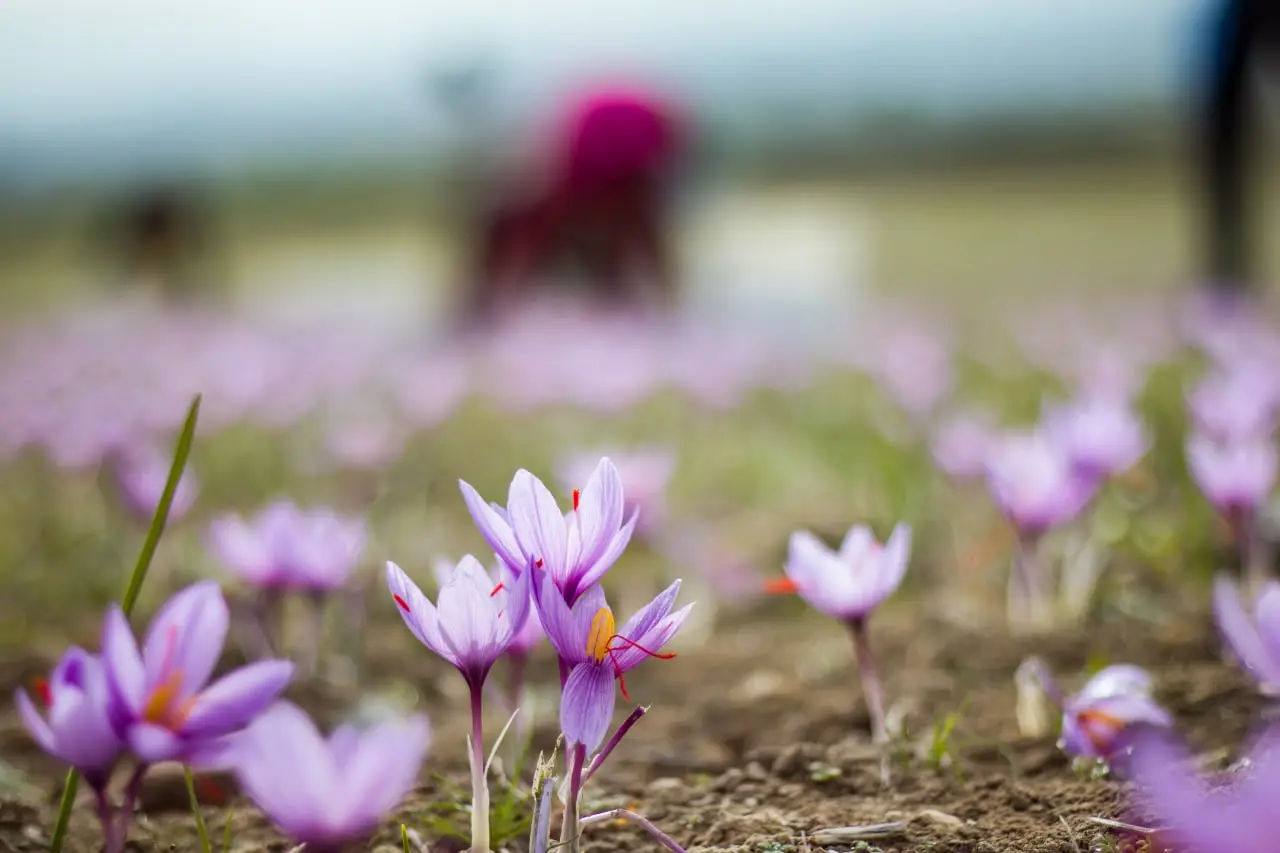
Saffron blooms in autumn, typically mid-October to early November, depending on climate and location. Timing is critical—flowers must be picked at dawn, when they bloom. Picking too late risks allowing the delicate stigmas to dry out, being destroyed by the sun, and reducing quality.
Now that you know how saffron is harvested, explore each Saffron benefits it offers to your health.
Saffron is harvested with care and precision and is done almost wholly by hand. Every step is crucial in preserving the scent, color, and quality of the spice. The following is a general description of how saffron goes from flower to thread.
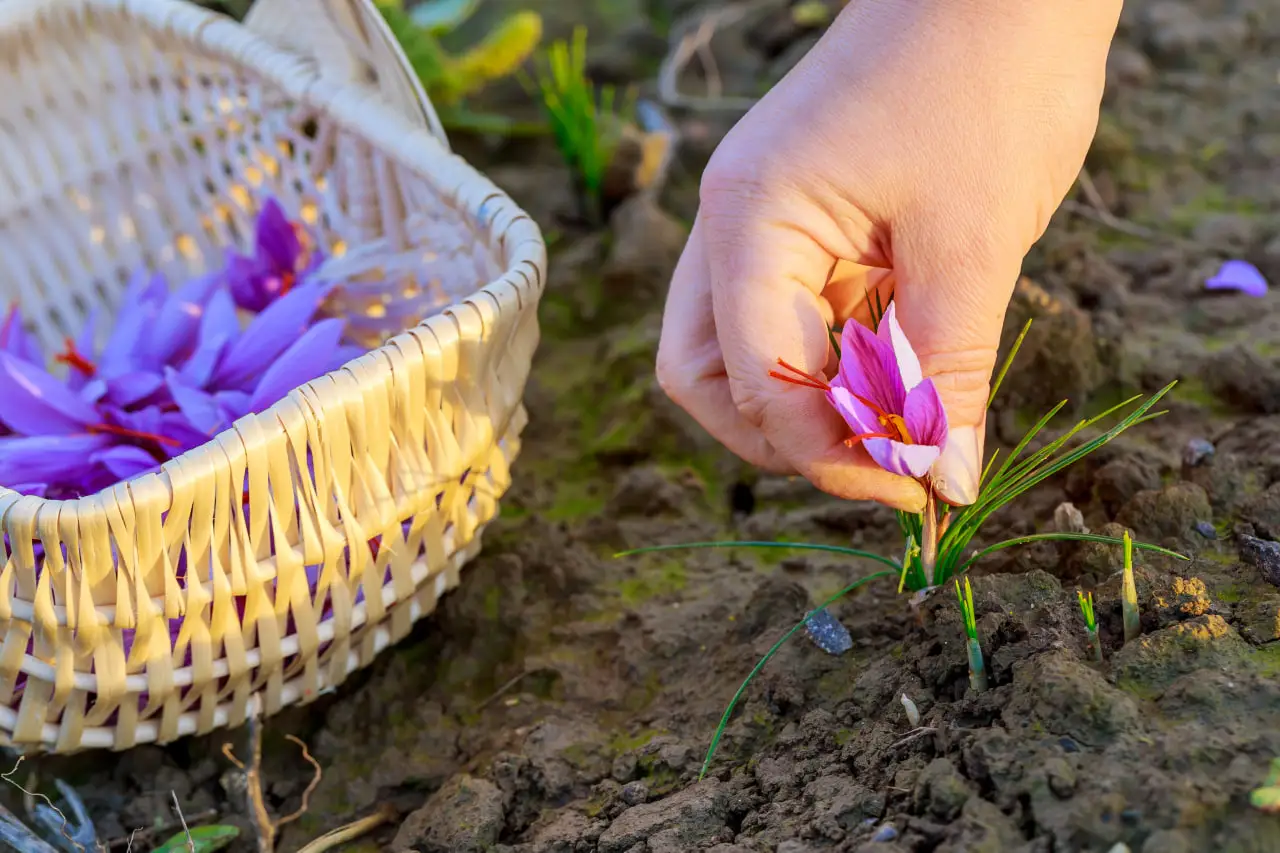
The harvesting process begins at dawn. It is the time when saffron flowers open and can be obtained easily. The morning dew makes the flowers fresh and easier to work with without harming the stigmas.
Saffron is hand-harvested. Workers bend low to the ground and carefully pick up each flower separately. The operation is fast and delicate—damage to the flower ruins the stigmas.
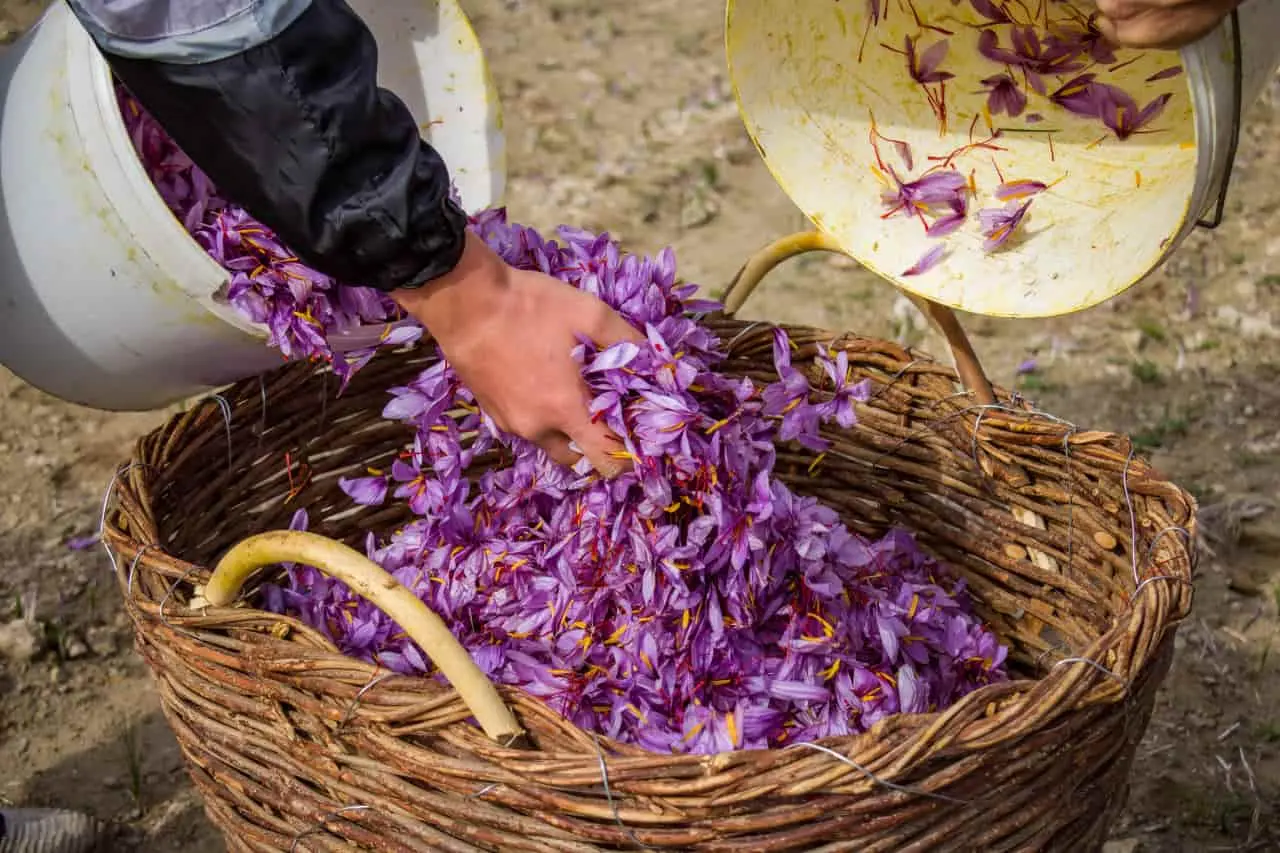
At harvest time, the flowers are collected into baskets or shallow trays. They must be delivered to the processing areas quickly to prevent wilting and contamination. The quality of the final saffron is higher the fresher the flower.
This is the most delicate portion of the process. The flowers are opened by hand, and the three red stigmas are gently removed from within the yellow stamens and petals. Dexterity and patience are required at this point if the precious threads are to be undamaged.
The new stigmas are dried to reduce moisture and enhance the flavor. The drying processes vary regionally—some use open-air drying and others drying chambers with heat. The goal is to preserve the bright color and the aromatic parts.
Once you understand the effort behind harvesting saffron, you'll appreciate choosing only the best saffron brands on the market.
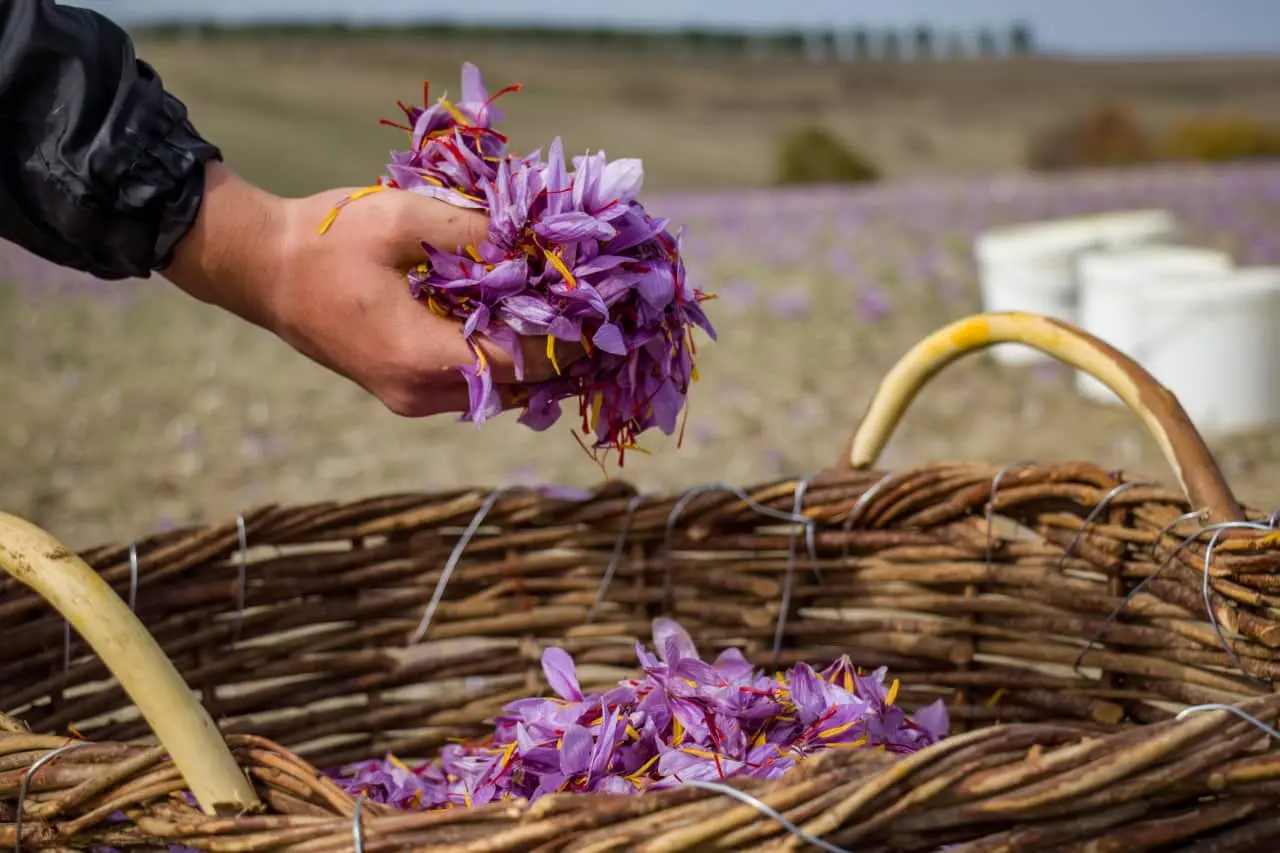
One flower of Crocus sativus has a very small harvest—just three fine red threads. It takes around 150,000 flowers to produce one kilogram of saffron. It is for this reason that saffron is sometimes called "red gold."
Saffron harvesting has a few challenges:
All these combined result in saffron being one of the world's most expensive spices.
Curious how the delicate harvesting impacts the final saffron price? Learn more here.So, how is saffron harvested? It's an ancient craft—gentle, time-consuming, and reliant on the human hand from blossom to fiber. Every step, from early morning flower harvesting to tedious stigma sorting and drying, is crucial to sharing the world with the rich spice we adore. The next time you indulge in a saffron-hued dish, reflect on the thousands of flowers and man-hours that went toward bringing it its golden color.
Saffron is expensive because it takes a lot of time and work to harvest. Each flower only has three tiny red threads, and everything—from picking to drying—is done by hand. It takes around 150,000 flowers to make just one kilogram of saffron!
Saffron is usually harvested in the fall, around mid-October to early November. The flowers bloom at dawn and must be picked early in the morning to keep them fresh and protect the delicate red threads.
First, the flowers are picked by hand early in the morning. Then, the red threads (stigmas) are carefully removed from each flower by hand and dried. This drying helps lock in their color, smell, and taste.
You have no items in your shopping cart.