Maybe you consider saffron just as a random spice but, actually that’s not the case. Saffron is the most expensive spice in the world due to its labor-intensive production process and it’s famous for its strong flavor profile. Also, saffron with all its health advantages is considered in both modern and traditional medicine. Now wondering to know more about saffron, saffron history and what does saffron do? You’re welcome to this complete guide— from saffron history to saffron uses in culinary and medicine, saffron recipes, and where to buy saffron online safely.

Each saffron thread is a hand-picked stigma from the saffron crocus. It takes tens of thousands of flowers to make a single pound of pure saffron—why it’s the world’s most precious spice. Expect an earthy–floral aroma, delicate sweetness, and a deep golden hue in food.
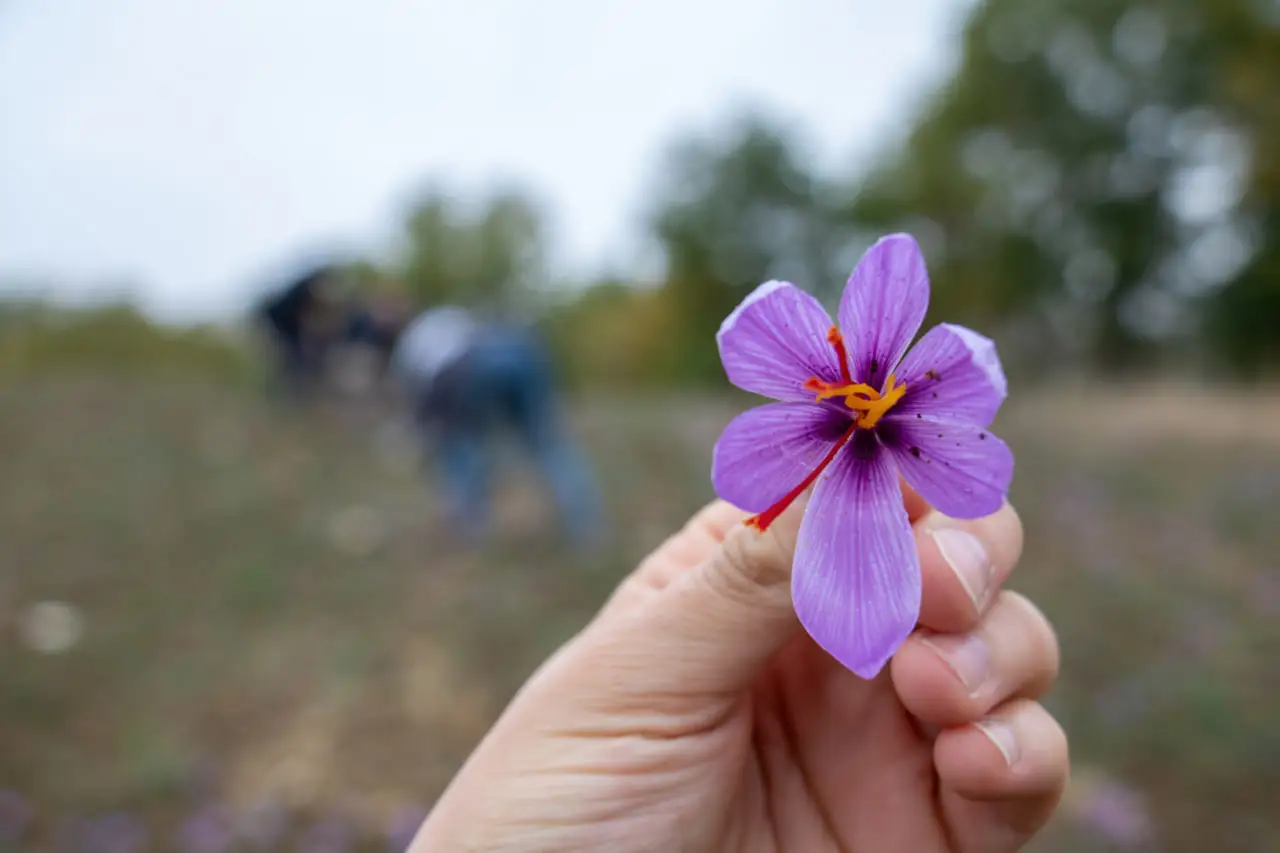
Saffron is derived from the stigma of the Crocus Sativus flower, a bulbous perennial plant. Each flower contains only 3 to 4 stigmas, making saffron difficult to cultivate. It blooms once a year in the fall and is harvest-ready for just two to three weeks. After this, the plant doesn’t grow until the following year when suitable weather returns. Now that you know "what is saffron," let’s explore its uses.
Core use-cases span cuisine, wellness, and culture. Start with these high-intent paths:
Saffron is a potent and delicious spice that with the proper use, may bring wonderful flavor and fragrance to your beverage and cuisine. We will now discover the proper uses of saffron.
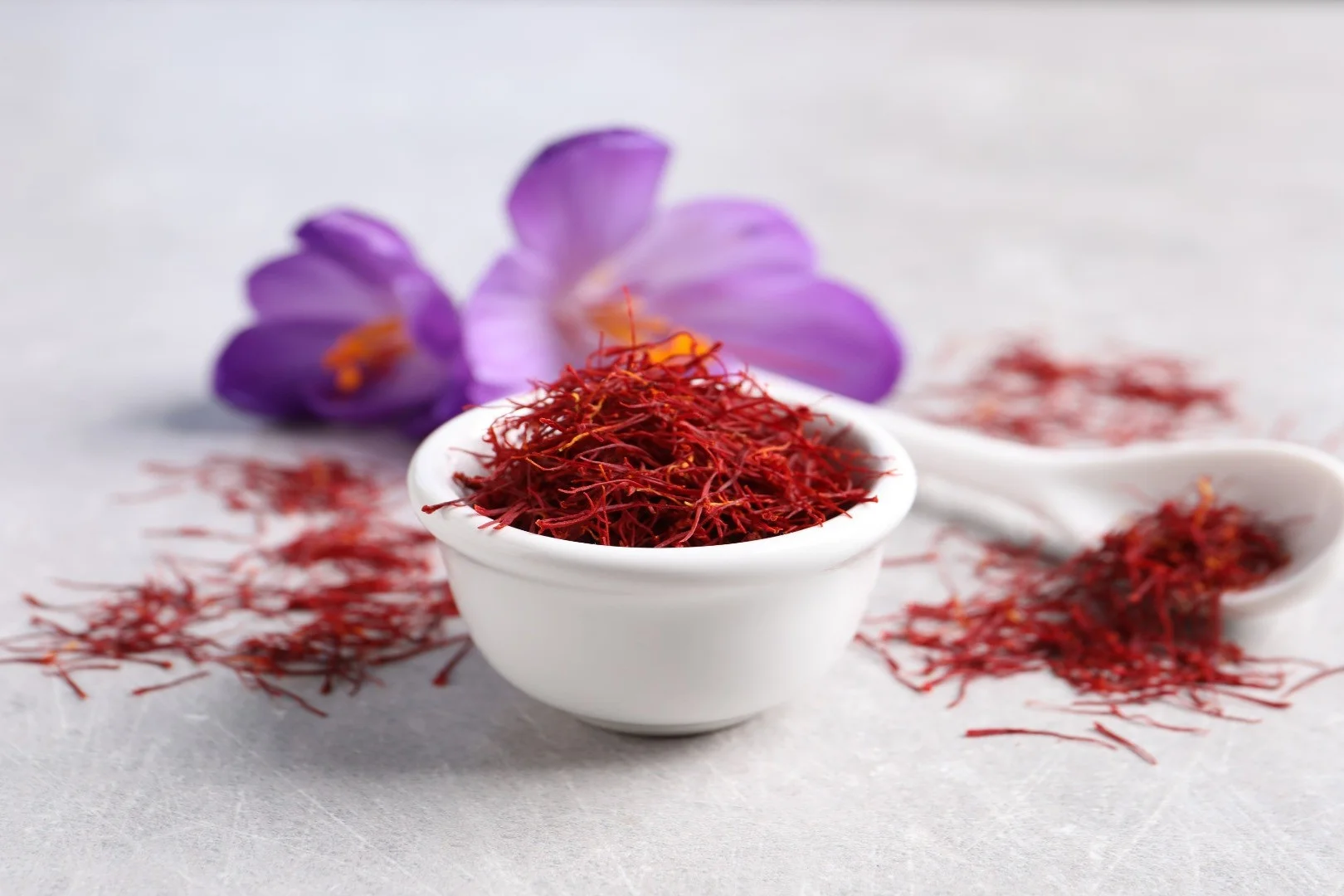
Saffron flowers bloom once a year, typically in autumn. The harvest takes place at dawn to protect the delicate stigmas, which are then carefully separated and dried to preserve their potency. The labor-intensive process and low yield contribute to saffron’s premium price. Iran, the largest saffron producing country in the world, remains the top supplier of this precious spice, known for its high-quality saffron.
Quality hinges on origin, selection, and thread integrity. When comparing Spanish vs Persian saffron, the flavor profiles, aroma, and color intensity can vary. Persian saffron, often regarded as the finest, includes high-quality grades like Super Negin, Sargol, and Pushal. Understanding these differences can help you choose the right saffron for your needs.
Quick purity check: real saffron releases color gradually in warm water; artificial dyes color water instantly.
Persian: saffron rice & tahdig, sholeh zard.
Spanish: paella Valenciana.
Indian: biryani, kheer.
Bloom first; add near the end of cooking to protect volatile aromas.
Saffron is more than a culinary treasure — it’s a natural source of wellness. Modern research confirms that saffron contains powerful bioactive compounds like crocin, safranal, and picrocrocin, which together give this spice its distinctive color, aroma, and therapeutic value. These compounds have been linked to a wide range of scientifically supported health benefits, including:
For an in-depth breakdown of the science behind these effects, visit our comprehensive guide: Saffron Benefits.
Scientific sources confirm saffron’s potential for mood and antioxidant support, as detailed on Healthline and Wikipedia.
Saffron’s price is influenced by factors like origin, quality, and grade. Due to its labor-intensive harvesting process, the price per gram can vary widely. For example, high-quality saffron from regions like Iran or Kashmir tends to be more expensive. To check current rates, refer to the saffron price per gram to make informed buying decisions.
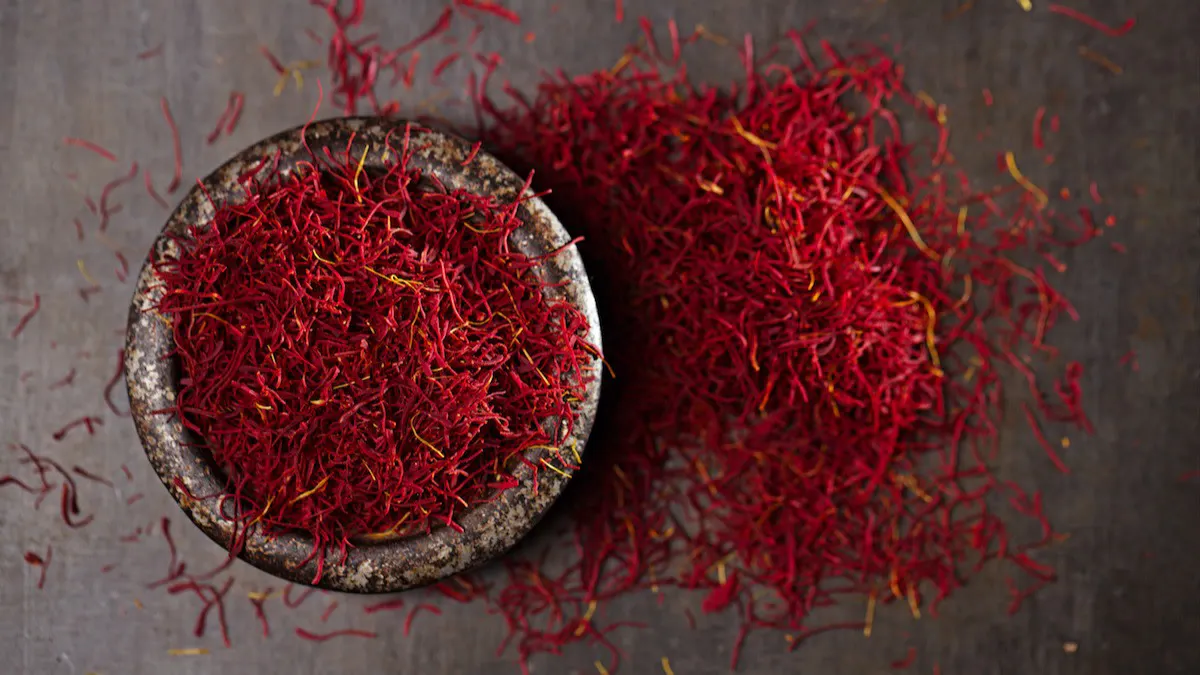
What is saffron good for? Saffron plays a significant role both in traditional and modern medicine and has been valued by humans for centuries due to its curative properties. Now, we see how saffron is applied in the following fields:
Scientific studies have confirmed many of the ancient benefits of saffron to be true. Its effective components, such as crocin, crostin, picrocrocin, and safranal, possess beneficial medicinal properties.
Saffron’s lineage stretches over three millennia, with deep roots in ancient Persia (modern Iran) and cultural footprints across Greece, India, China, and the Mediterranean. Persia remains the principal production hub today. Trade routes spread saffron throughout Europe and Asia, establishing its role in cuisine, medicine, and ritual.
Saffron is not just a random spice; it’s the most expensive because its strong flavor profile and health advantages have made it one of the most unique and special spices in the world. The history of saffron has ancient roots that go back to early civilizations. Now that you’ve got all your answers about what is saffron, you can Buy Premium Persian Saffron 10 Grams — 100% pure, lab-tested, and comes with free shipping.
Saffron comes from the red stigmas of the Crocus Sativus flower — a small purple bloom that grows mainly in Iran. Each flower has only three delicate threads, which are hand-picked and dried to create the precious saffron spice.
Saffron is the world’s most expensive spice because it takes around 75,000 flowers to produce just one pound. The harvesting is done entirely by hand, during a short blooming season in autumn, making production slow and labor-intensive.
Saffron has a unique flavor — slightly sweet, floral, and earthy with a mild bitterness. It adds both color and aroma to dishes like rice, soups, desserts, and traditional recipes from Persian, Indian, and Spanish cuisines.
Saffron contains powerful antioxidants such as crocin and safranal that may help improve mood, protect vision, boost memory, and support heart health. Studies also show saffron can help reduce PMS symptoms and mild depression.
Grind a few saffron threads and steep them in hot water or milk to release their color and aroma. You can add this infusion to rice, stews, desserts, or drinks like saffron tea and saffron milk for a rich golden hue and fragrance.
You have no items in your shopping cart.