📌 Table of Content:
Saffron has long been known as the "golden spice" for reasons extending to both its flavor and color and for its wonderful medicinal uses. But now, another reason to adore saffron is revealed: it can protect your vision.
From enhancing clarity in vision to protecting against aging-related decline, saffron for eye health is rapidly gaining popularity among both research communities and those interested in natural health. Let’s take a closer look at why this colorful spice is so unique for vision and how it can be used.
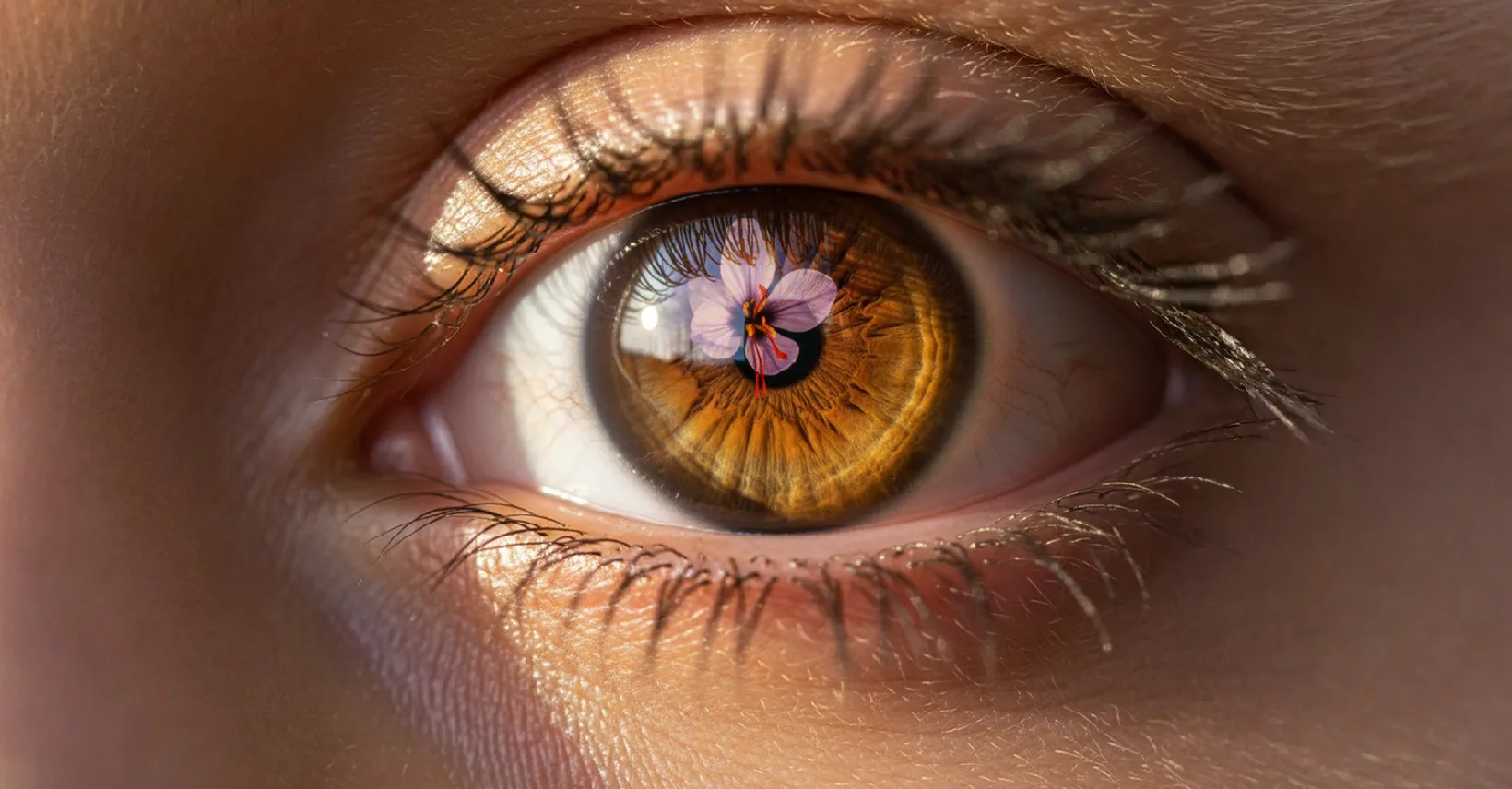
The secret to saffron's advantages for vision is that it contains a unique combination of two carotenoids: crocin and crochemin. These natural ingredients have been found to protect vision cells. They are known for their anti-aging benefits and work as powerful antioxidants.
These compounds can:
Simply put, saffron nourishes your eyes internally — the sensitive cells which work to keep your sight clear and distinct. This is why increasing numbers of individuals have turned to saffron for eye care.
Just as saffron helps protect your vision, it also supports mental clarity and focus — explore how saffron for brain health can enhance your overall well-being.

The uses of saffron for treating eye problems are not only traditional but have been found to be backed by science. Various studies have found saffron to have a beneficial effect on various functions related to vision.
Research by Italian and Australian universities showed that saffron supplementation can enhance vision in individuals with early-stage age-related macular degeneration (AMD). This is because saffron contains compounds with great antioxidant activity, which protect retinal cells by increasing oxygenation in the macula, the part of the human eye responsible for sharp vision.
Certain studies indicate that saffron can increase sensitivity to contrast and facilitate adaptation to light changes. Thus, saffron for eye support is quite interesting for persons with glare problems or difficulty with low light.
Crocin, one of saffron's main active components, has been found to have neuroprotective effects on retinal cells against oxidative stress and inflammation — two leading causes of vision decline.
Contemporary lifestyles such as excessive screen time, blue light exposure, and digital strain can dry out and tire the eyes. Although more research is required, current indications suggest saffron’s antioxidant properties might alleviate mild symptoms of eyestrain.
Saffron’s impact goes far beyond eye health — learn how it supports mood, energy, and overall wellness in our full article on saffron benefits

You won’t require much saffron for your well-being. Given its potency, even a small amount can go a long way. Here are some safe and effective ways you can use saffron for eye health:
Capsules made with standardized saffron extract are one of the easiest and best ways to incorporate saffron regularly. These can be found in clinical formulations or preparations with actual crocin content.
Let 2–3 threads of saffron steep in hot water for 10–15 minutes, then drink slowly. It’s a pleasurable ritual that might also benefit your eyes.
Saffron can be combined with rice, milk, or herbal drinks. Despite being used in small quantities, it contributes valuable antioxidants to your diet.
Tip: Consistency is important for optimum benefits. Consuming saffron daily, even in small amounts, might have long-term positive effects.
While saffron is well-known for its vision benefits, its influence goes far beyond the eyes — explore how saffron for weight loss can support a balanced, healthy lifestyle.
Saffron is generally safe when taken in small quantities commonly found in food or dietary supplements. Nonetheless, natural substances can sometimes be problematic if taken in excess.
Remember: Saffron for your eyes is best used as a complement to, not a replacement for, regular eye checkups with your doctor.
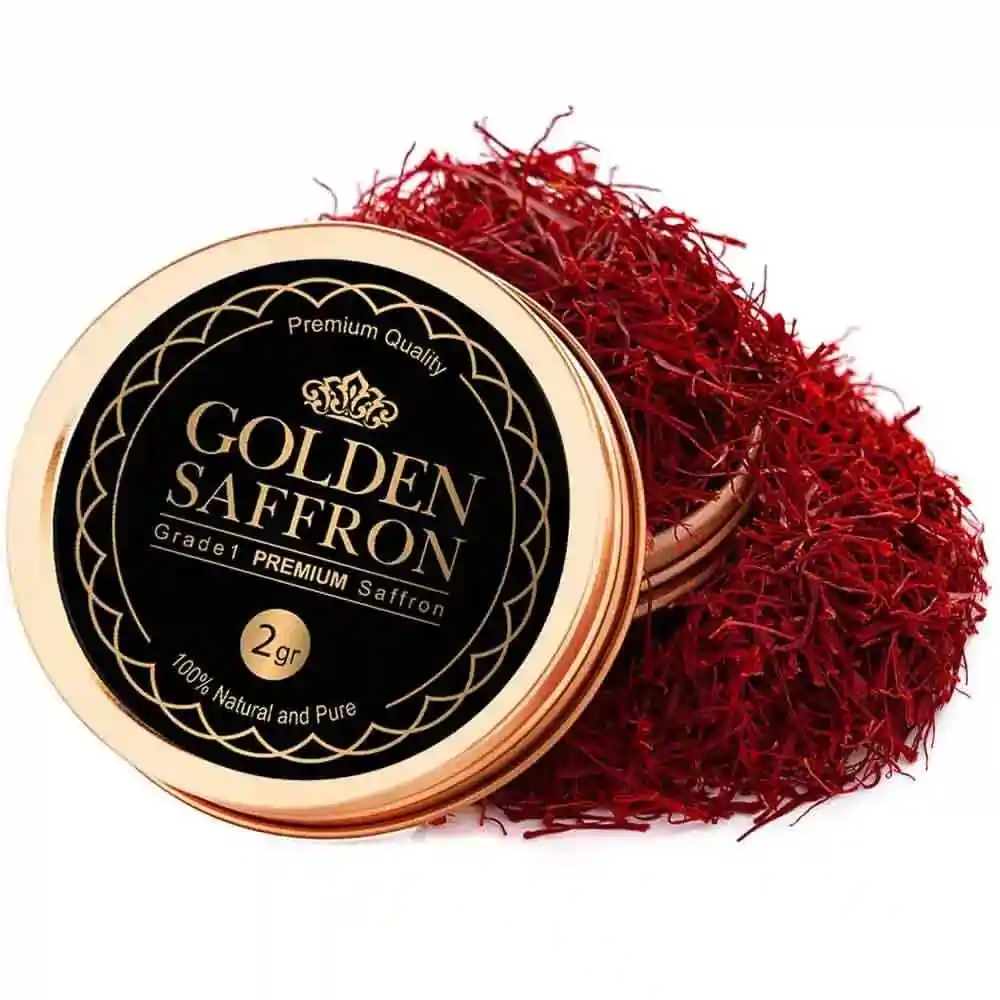
If you're looking for natural remedies to protect your vision, saffron is one that truly stands out. Not only does it contain powerful antioxidants, but it has also been trusted in traditional medicine for centuries. With Golden Saffron , you can experience premium-quality saffron crafted for purity and consistency — a perfect way to embrace the golden spice’s natural support for eye health. While it isn’t a cure for eye conditions, adding saffron to your diet may be a gentle, natural way to support clearer, healthier vision.
Research shows saffron may enhance visual function in early stages of macular degeneration and improve contrast sensitivity — but it doesn’t replace medical treatment.
In some studies, improvements appeared after about three months of consistent saffron use. Results vary by individual and dosage.
Standardized saffron extract supplements provide a precise, research-based dosage. Saffron tea or culinary use can complement it.

Zoe Grace Carter is a passionate food scientist with a remarkable academic background, holding a PhD from the prestigious Cornell University. At the youthful age of 30, she brings a wealth of knowledge and expertise to the world of culinary exploration. Zoe is on a mission to unravel the mysteries of saffron and share her insights with the world through her captivating writings on Goldensaffron.com.




You have no items in your shopping cart.