 Catergory: main-dish
  Preparation: 00:00:30
 Cooking: 00:00:40
  Total: 00:00:00
  Origin: Eastern Mediterranean
 Calories: 410
 Catergory: main-dish Preparation: 00:00:30
Cooking: 00:00:40 Total: 00:00:00 Origin: Eastern Mediterranean
Calories: 410
Catergory: main-dish Preparation: 00:00:30
Cooking: 00:00:40 Total: 00:00:00 Origin: Eastern Mediterranean
Calories: 410
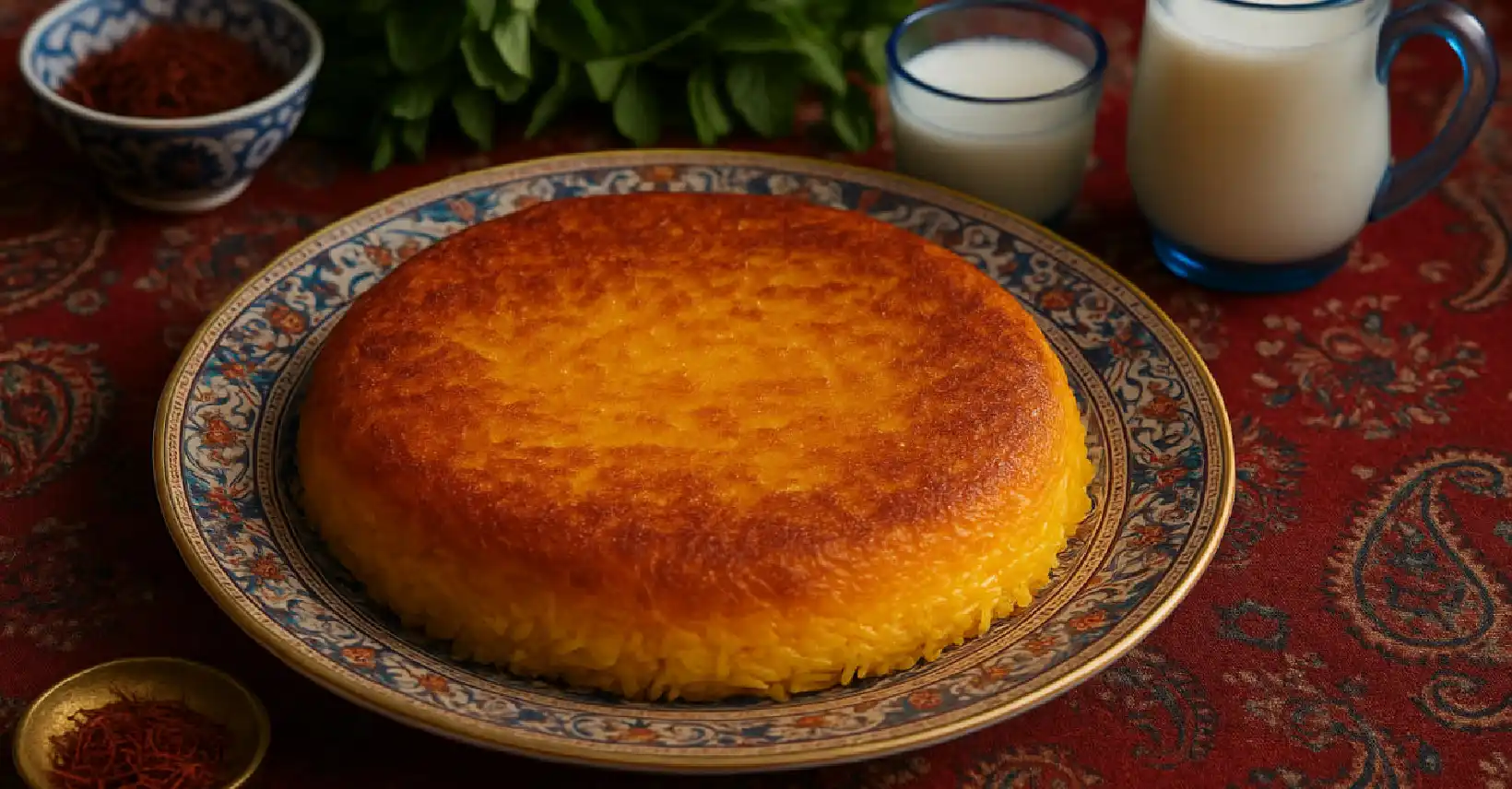
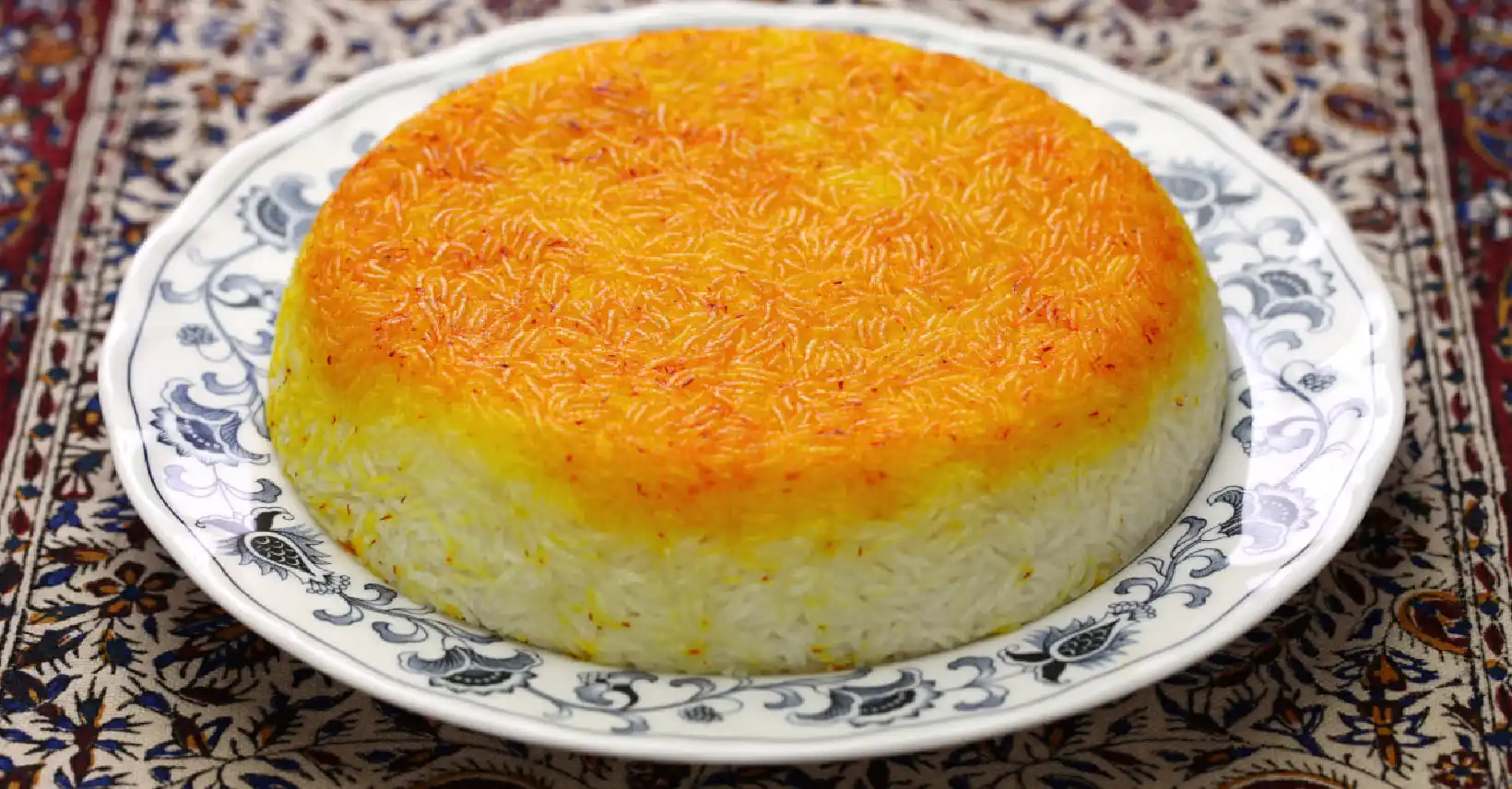
Tahdig literally means “bottom of the pot” in Farsi — and that’s exactly where the magic happens. It’s the crispy, golden rice layer that forms as the bottom cooks slowly in butter or oil.
Across Iran, tahdig isn’t just food — it’s pride. Every Persian cook is judged by how evenly golden, perfectly crisp, and intact their tahdig turns out. It’s served at family feasts, weddings, and even casual dinners, usually as the shining centerpiece of the meal.
While rice is the most common version, you’ll also find potato tahdig (crispy potato slices on the bottom), lavash tahdig (using thin Persian bread), or even pasta tahdig. Today, we’re making the classic saffron and yogurt tahdig — the most iconic and flavorful of them all.
To get that true golden color and irresistible aroma in your tahdig, make sure to buy saffron that’s pure and potent.
This recipe serves about 4 people.
The secret to fluffy, separate grains of rice is removing the starch. Rinse your basmati rice several times under cold water, gently swirling with your fingers until the water runs almost clear. Then, cover with 3 cups of water and add 1 tablespoon of salt. Let it soak for at least 1 hour. This step ensures the rice cooks evenly and doesn’t clump together later.
Bring 8 cups of water to a boil in a large pot. Add 3 tablespoons of salt — yes, it should taste like seawater. Don’t worry, most of the salt will be rinsed off later.
Drain the soaked rice and carefully pour it into the boiling water. Gently stir once to prevent sticking. Cook uncovered for about 5–6 minutes until the grains are soft on the outside but firm in the center (al dente).
Immediately drain in a colander and rinse with warm water to stop the cooking process. Set aside.
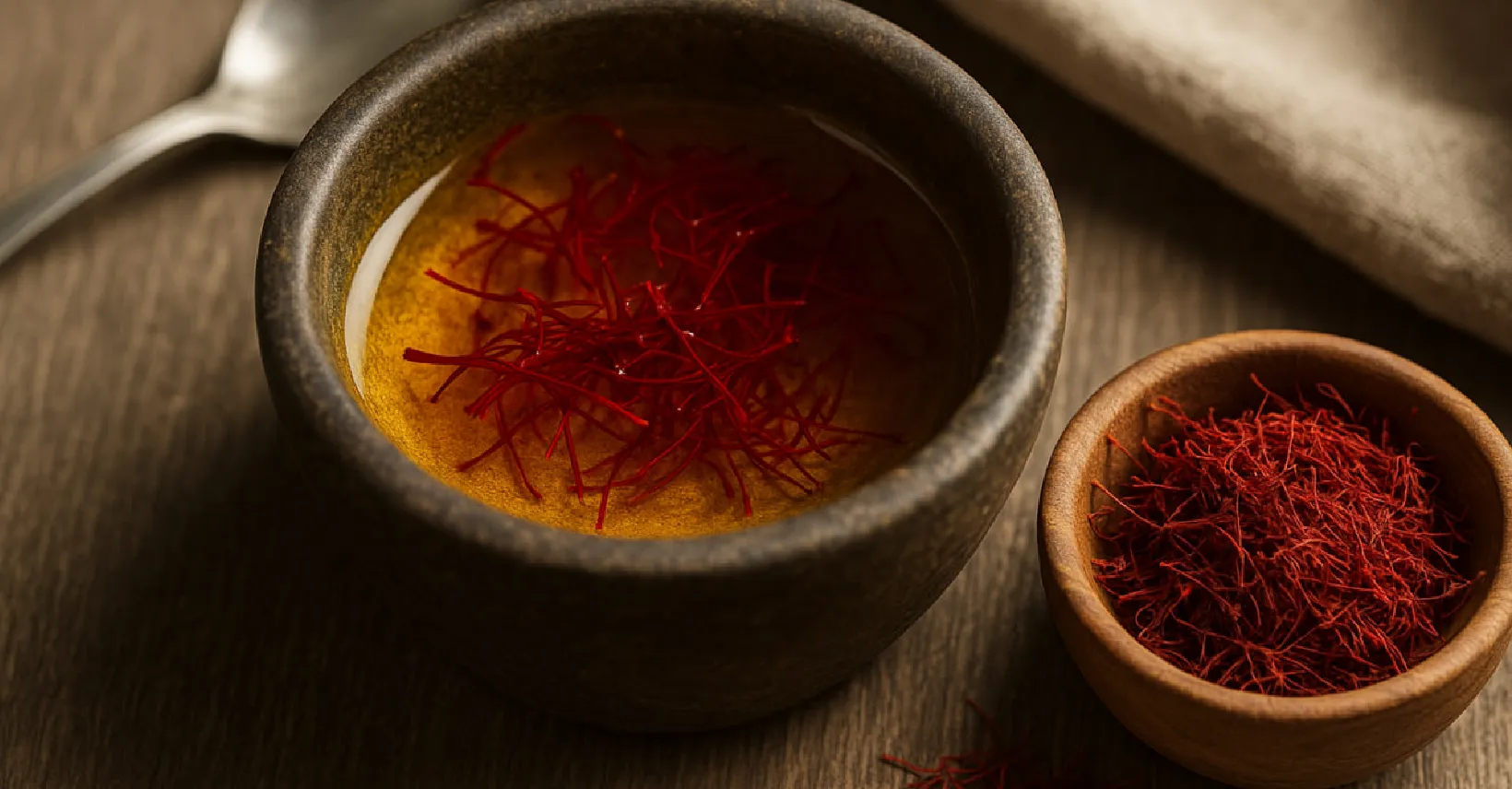
Every bite of tahdig carries the warmth and aroma of saffron — and once you learn about its amazing saffron benefits, you’ll never want to cook without it.This is where the color and aroma magic happens. Grind saffron threads in a small mortar and mix with 3 tablespoons of hot water (never boiling). Let it sit for 5–10 minutes. You’ll notice the water turning into a deep golden amber — that’s pure flavor.
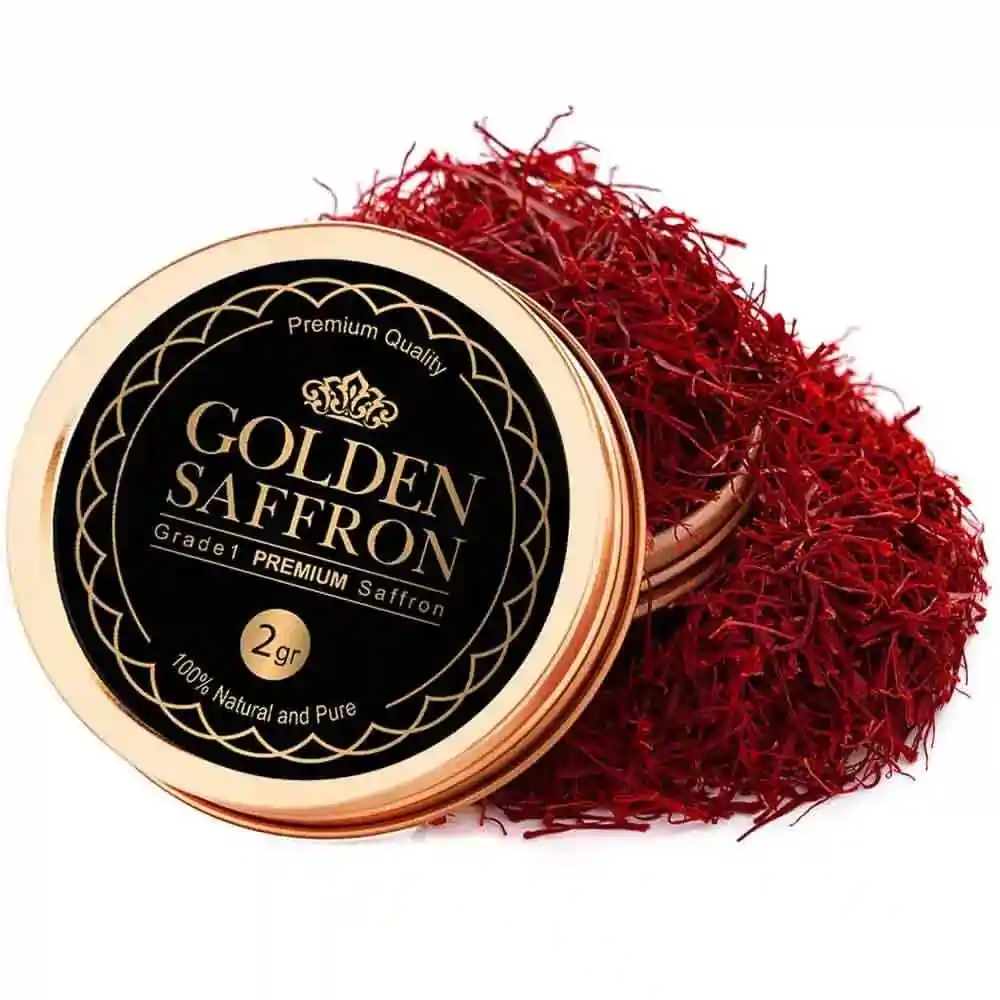
Tip: Use premium saffron like Golden Saffron Super Negin for the best color and aroma — just a few threads go a long way.
In a small bowl, combine:
Mix until the rice is fully coated and golden. This will form the crispy base layer that defines your tahdig.
Heat 2 tablespoons of oil and 2 tablespoons of butter in a non-stick pot over medium heat. Once sizzling, spread the saffron-yogurt rice mixture evenly on the bottom of the pot, pressing gently with the back of a spoon to compact it slightly.
Now, carefully spoon the remaining rice on top — one ladle at a time — forming a gentle mound in the center. Do not press the top layers; they should stay light and fluffy.
Use the handle of a wooden spoon to poke 5–6 holes down to the bottom. These holes let the steam escape and help the crust crisp evenly.
Cover the lid with a clean kitchen towel (to catch condensation and prevent sogginess), then place it tightly on the pot.
Cook over medium heat for 10 minutes until steam starts escaping. Then, reduce to low heat and continue cooking for 30–40 minutes.
Rotate the pot every 10 minutes to ensure even browning. You’ll know your tahdig is ready when the edges turn golden and you smell that nutty, buttery aroma of toasted rice.
Let the pot rest for 5 minutes off the heat. Loosen the sides gently with a spatula. Place a large platter over the pot and — with confidence! — invert the pot in one swift motion.
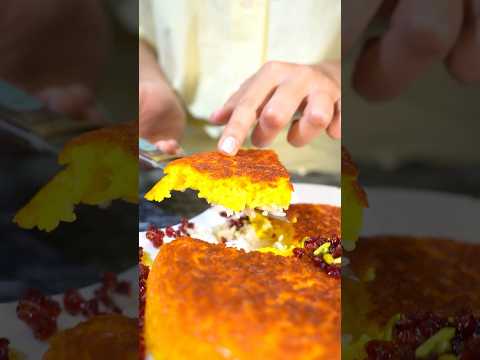
If everything went right, your tahdig will release beautifully in one golden, crispy disc. But if it breaks? Don’t worry. Just scoop it out in pieces — it’s equally delicious.
To elevate your tahdig from homey to luxurious, add a few classic Persian garnishes:
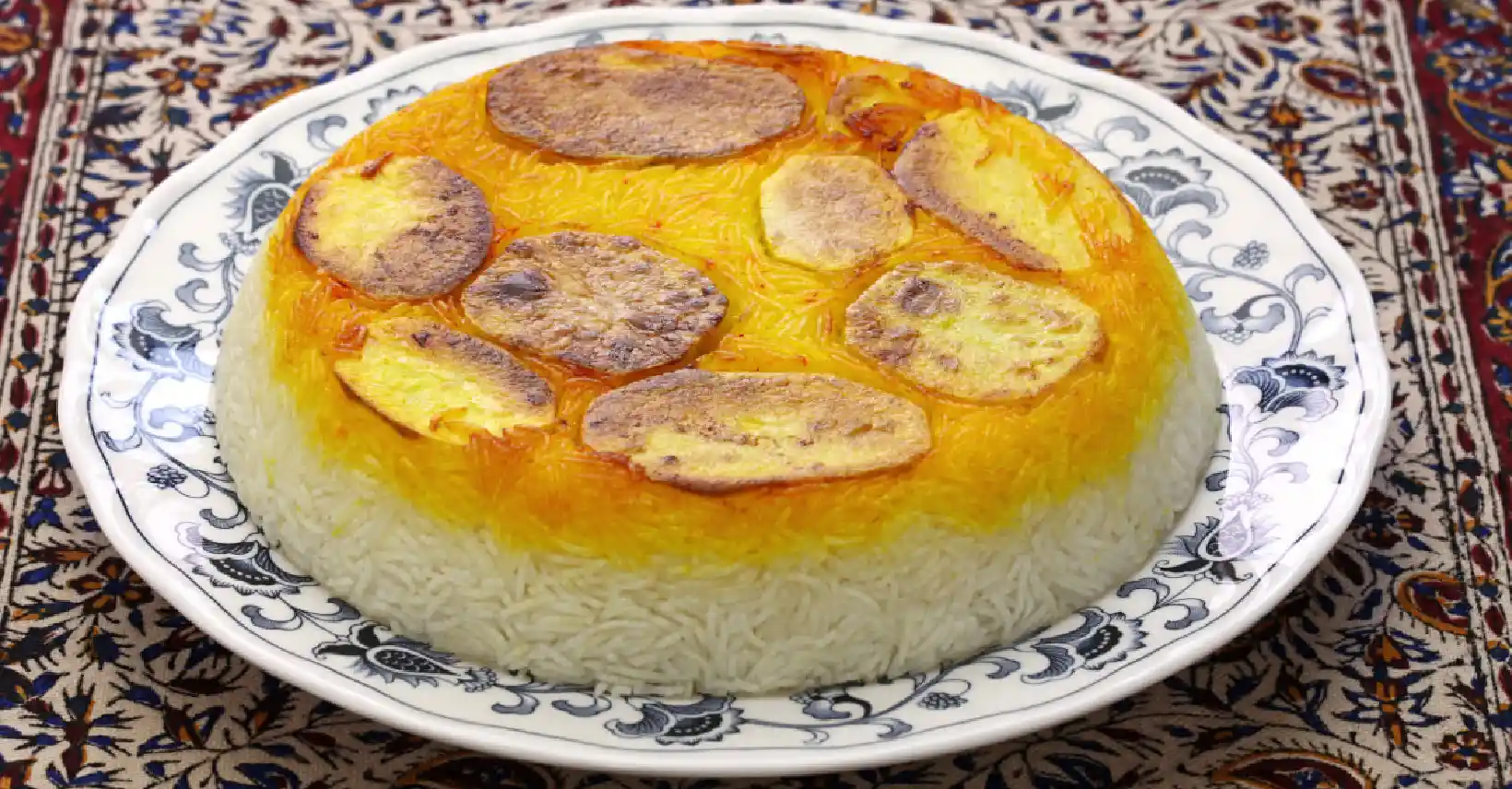
Once you master the classic saffron-yogurt version, try these delicious twists:
Tahdig pairs beautifully with Persian stews (khoresht), grilled meats, or even served on its own with yogurt and herbs. Popular pairings include:
Making tahdig is part art, part science, and a whole lot of love. It may take a few tries to get it just right, but once you do — that first golden, crunchy bite will be unforgettable.
So next time you crave something truly special, bring a taste of Iran to your kitchen with this perfect, crispy, saffron-scented tahdig recipe.



You have no items in your shopping cart.